Short, sourced explainers for owners who want the facts before the sales pitch: what the words mean, what the research found, what happens to guest data, and what an AI waiter does when it misunderstands.
Restaurants use AI for about eight jobs: marketing and reviews, phone calls, drive-thru and table ordering, menu writing and translation, payments, kitchen and stock planning, staff rotas, and owner reports. Adoption is early: in early 2026, 26% of US operators said they used AI tools and only 6% used AI for customer orders. Most proof still comes from vendors.
One study of a US casual-dining chain timed tables at about 45 to 54 minutes. What each figure measured, where the minutes go, and how to time your own dinners.
What a QR ordering page can learn about guests, what to ask any vendor, and WaiterPilot's answers: no sign-up, two essential cookies, chats kept, never sold.
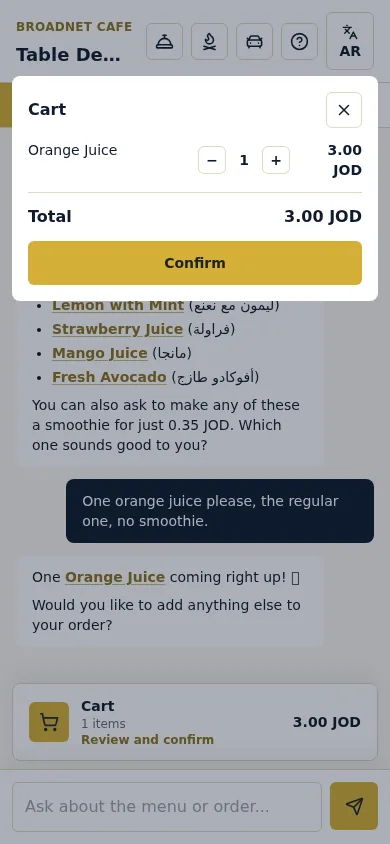
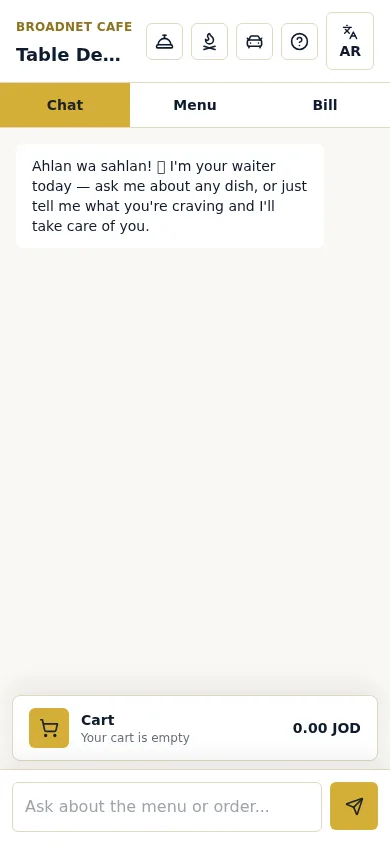
A QR menu only shows the menu, QR ordering sends the guest's order to staff, and order-and-pay also takes payment on the phone. Side by side, with screenshots.
Everyday restaurant service terms in 12 languages, from menu and bill to POS and average check, plus the false friends that trip up owners, staff and vendors.
About a quarter of US operators say they use AI tools, but only 6% use AI for customer orders. Each survey here shows its sponsor and when it was collected.
A restaurant POS rings up orders, sends tickets to the kitchen, takes or records payment and keeps the sales records. What it usually leaves to other tools.
The AI can misread a request. Here is every check between a guest's words and the kitchen, who catches which mistake, and the gaps no software closes for you.
Not on current evidence. US waiter jobs are projected to grow 2% to 2035 and most sit-down diners prefer people. Which tasks AI can take on, and which stay.
Robots carry plates, voice AI takes phone and drive-thru orders, and a chat AI waiter takes the order on the guest's phone at the table. How to tell them apart.